 What a weekend in New York—and a day of big ideas—taught me about leading with both instincts and insights.
My husband and I don’t really like big cities. Too crowded, too much traffic, too much noise. We’re more into road trips, wide-open landscapes, and quiet mountain trails. So, when I had a last-minute opportunity to attend The Welcome Conference in New York City—and asked if he wanted to make a long weekend out of it—I was surprised when he said yes.
The trip started the way I expected: overwhelming. We dropped our bags, walked a few blocks for New York pizza, and instantly found ourselves shoulder to shoulder with people, cars honking, and lights flashing. I finally pulled out my phone and asked for help planning our time so we’d actually enjoy it.
From there, we found our balance:
- Big, iconic sights—the Empire State Building, the Met, the Staten Island Ferry.
- Quiet intentional experiences—walking through Central Park, a carriage ride, dinner at the historic Fraunces Tavern.
Crowded and quiet. Overwhelming and refreshing. Both things true at the same time.
By the end of the weekend, we realized we enjoyed New York more than any big city we’ve visited—Chicago, DC, Cape Town, LA, Amsterdam. Maybe New York really is different. Or maybe we learned that we can lean into discomfort, explore something new, and still make it our own.
The same both/and showed up again on Monday at The Welcome Conference.
Paradoxes on Stage
Will Guidera opened The Welcome Conference by saying growth requires both creativity and intentionality. It’s not enough to have great ideas without a plan. And it’s not enough to follow a plan without fresh ideas. Scaling requires the imagination to dream and the discipline to deliver.
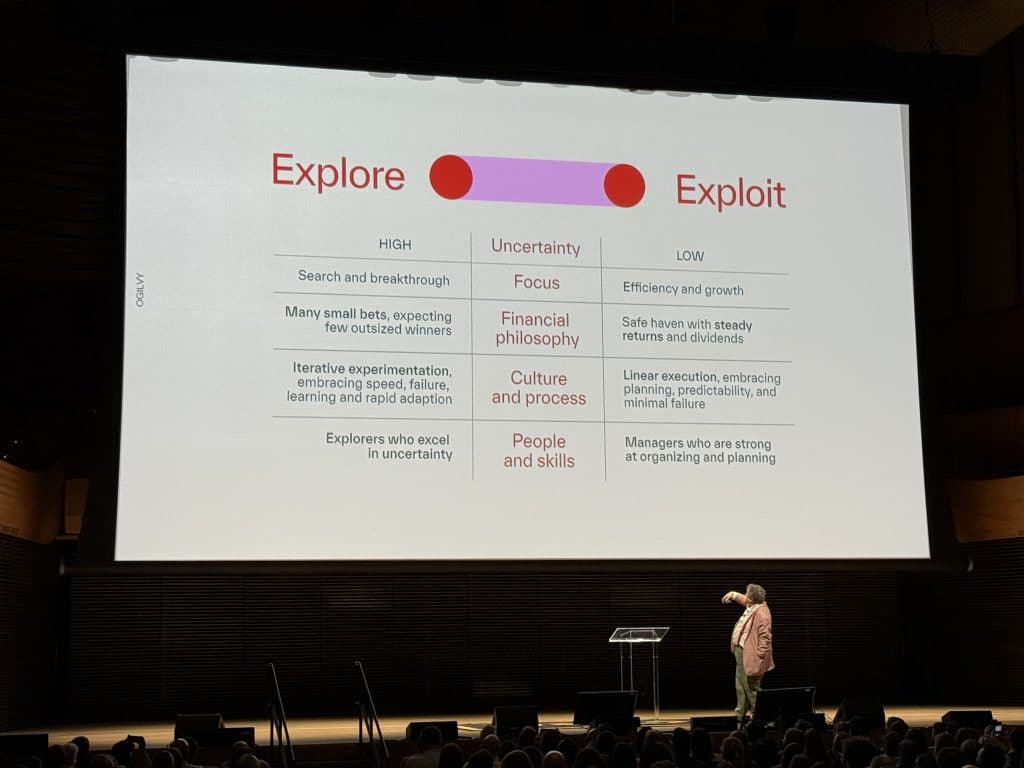
Rory Sutherland made us laugh, but he also made us think. He pointed out that explore and exploit aren’t opposites—they actually strengthen each other. Businesses need the stability of what’s proven and the curiosity to look for what might be possible.
As one of the only accountants in the room full of restauranteurs and creatives, I felt the sting when Rory put up a slide: “Accountants don’t believe in magic.” He’s right—we often default to numbers and linear problem-solving. But the answer isn’t to abandon numbers. It’s to hold them alongside creativity and people. To exploit what we know and explore the magic that might happen next.
It’s not magic instead of numbers. It’s magic and numbers.
Where Numbers Meet People
Paradoxes aren’t just ideas from a conference. We see them play out every day with our clients. One of the clearest is the need for both instincts and insights.
Instincts give you the gut-level feel for what’s happening in your business. Insights, grounded in numbers and systems, give you clarity and confidence. Alone, each has limits. Together, they provide wisdom for better decisions.
The danger comes when leaders lean too heavily on one side. Trust only your instincts, and you risk flying blind—ignoring financial realities that can undermine your business. Rely only on insights, and you end up with spreadsheets that look fine on paper but miss opportunities right in front of you.
Either extreme can mean wasted energy, lost trust, missed opportunities, or stalled growth. The paradox is learning to live with both.
Scaling requires paradoxes like these:
- Vision and discipline.
- Numbers and people.
- Exploring what’s new and building on what already works.
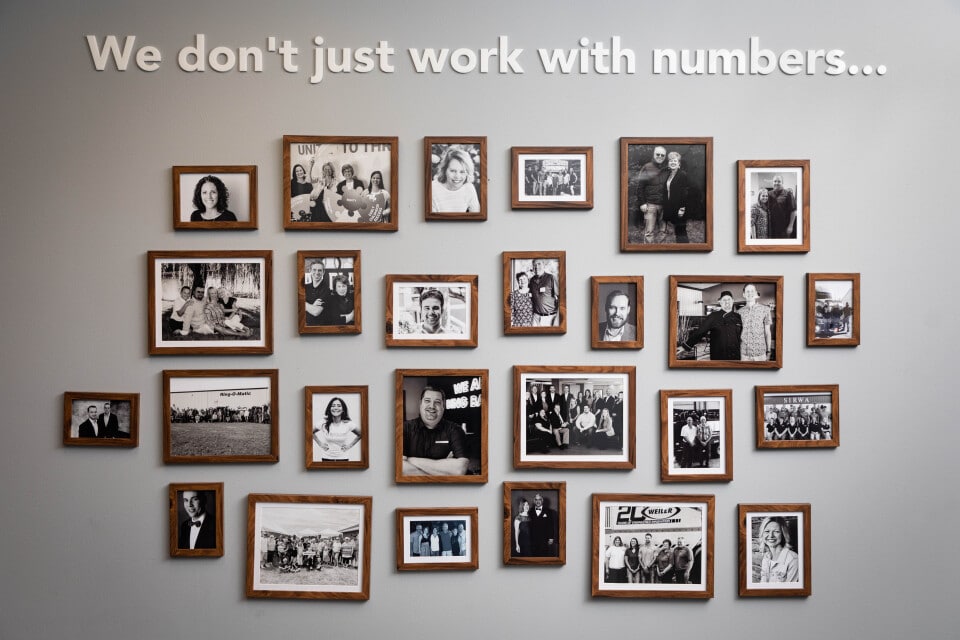
When you walk into our office, the first thing you’ll see is a wall of client photos with the words: We don’t just work with numbers. Every face on that wall is a reminder of why the work matters—names we know, people we care about, stories we’re invested in. Numbers tell the story. People are the story.
If you’ve felt this tension in your own leadership, you’re not alone. The paradox of scaling is learning to live in those tensions—without discarding one side for the other. That’s where clarity and confidence come from. That’s where growth becomes sustainable. And often, that’s where the magic breaks through—moments when all the effort and risk suddenly pay off.
It’s the same kind of tension we see in every part of our work at Forge. Numbers and people. Systems and stories. Both matter—and both belong together.
ABOUT THE AUTHOR
Courtney De Ronde

Relevant Posts



Learn What Your Business Needs Most to Unlock Faster Growth
Your business relies on four key areas, or centers of intelligence, to thrive. Take the free Business Intelligence Grader to see how you score across financial, leadership, productivity, and human intelligence and learn where to focus to drive greater results.
Your business relies on four key areas, or centers of intelligence, to thrive. Take the free Business Intelligence Grader to see how you score across financial, leadership, productivity, and human intelligence and learn where to focus to drive greater results.